New Lassa Fever Evidence to Shape Vaccine Research and Outbreak Preparedness Across West Africa
October 12, 2026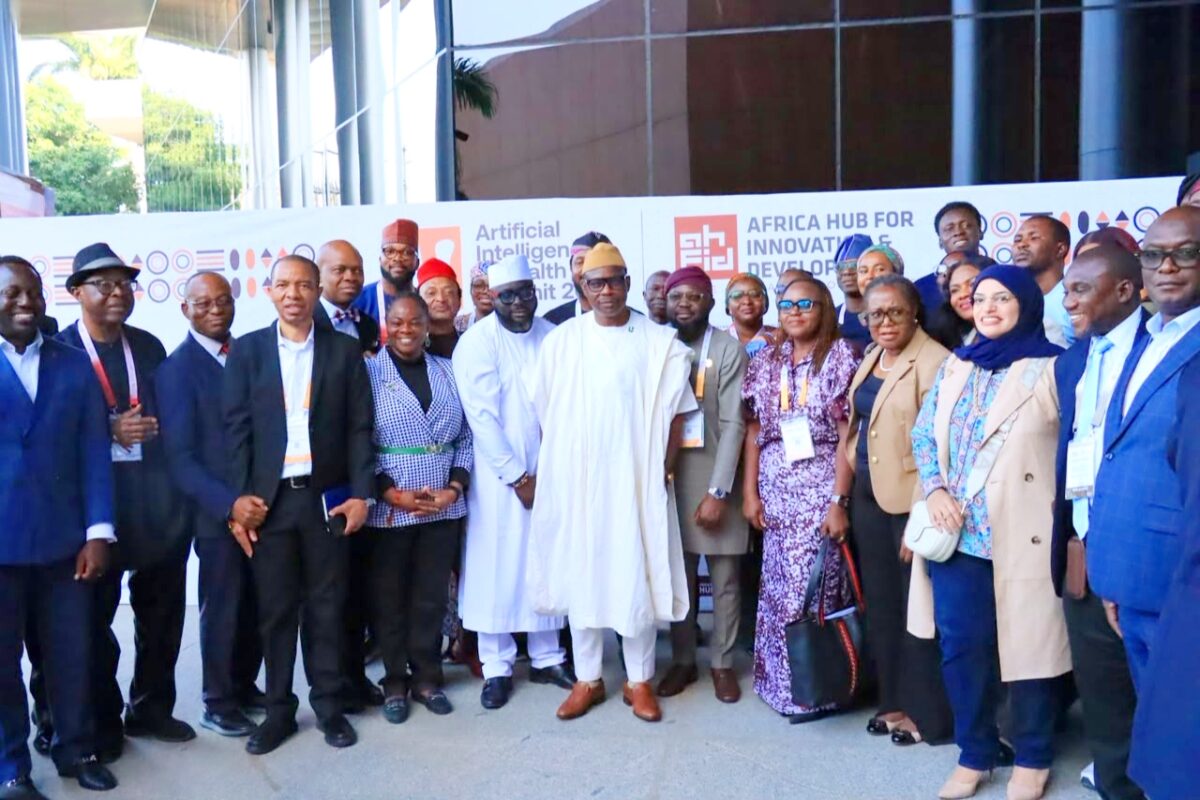
Artificial intelligence is dominating global headlines, and Abuja was not left out. On October 19–20, 2026, the TY Danjuma Foundation Building became the epicenter of a health revolution. The AI in Health Summit 2026, hosted by the Africa Hub for Innovation and Development (AHFID), brought together the brightest minds under a critical mandate: “Catalyzing Country AI-in-Health Frameworks for Transformative Healthcare Systems.”
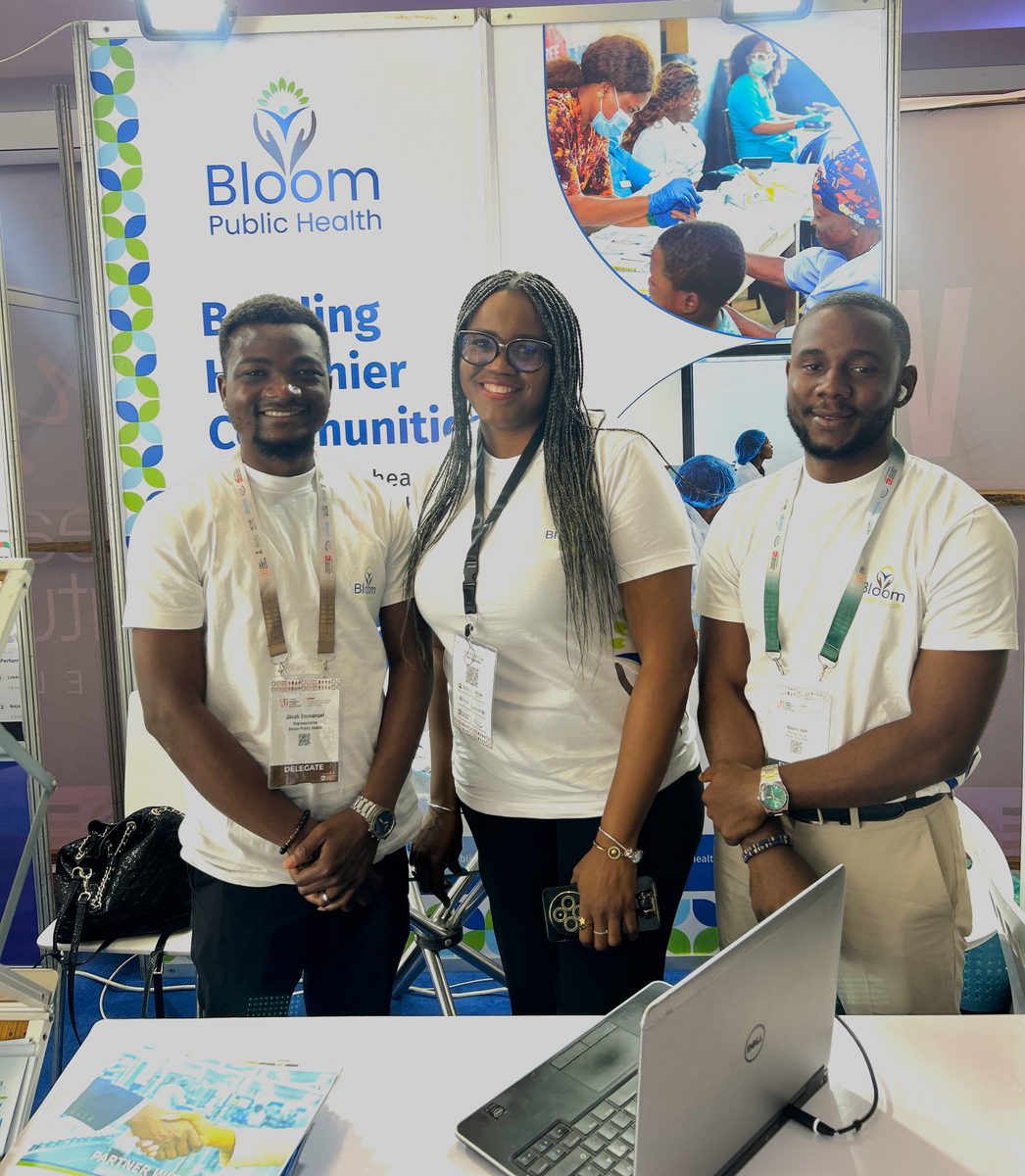
While many see AI as a futuristic luxury, the summit proved that for Africa, it is an immediate opportunity to leapfrog legacy systemic challenges. Standing firmly at this intersection of public health expertise and digital evolution was Bloom Public Health, participating as a core summit partner and industry exhibitor.
The energy at the summit resonated that Africa isn’t just adopting foreign tech; it is building its own rulebook. Nigeria’s Minister of State for Health and Social Welfare, Dr. Iziaq Adekunle Salako, opened the summit by highlighting data governance. Building upon the Nigeria Data Protection Act 2023, the federal government is laying down strict guardrails. This ensures patient privacy, anonymization, and safety remain foundational as AI integrates into everyday clinical diagnostics. From local language triage apps to machine learning algorithms predicting maternal health risks in real time, the innovations showcased were deeply local, practical, and inspiring.
A common trap in digital health conversations is focusing entirely on software while ignoring physical infrastructure. An AI algorithm is only as smart as the data you feed it. If laboratory systems are broken or supply chains are offline, even the most advanced AI becomes useless. This reality is exactly where Bloom Public Health stepped into the spotlight. Across the two-day summit, our interactive exhibition booth served as a major networking hub, demonstrating how physical health systems strengthening is the true catalyst for digital health tools.
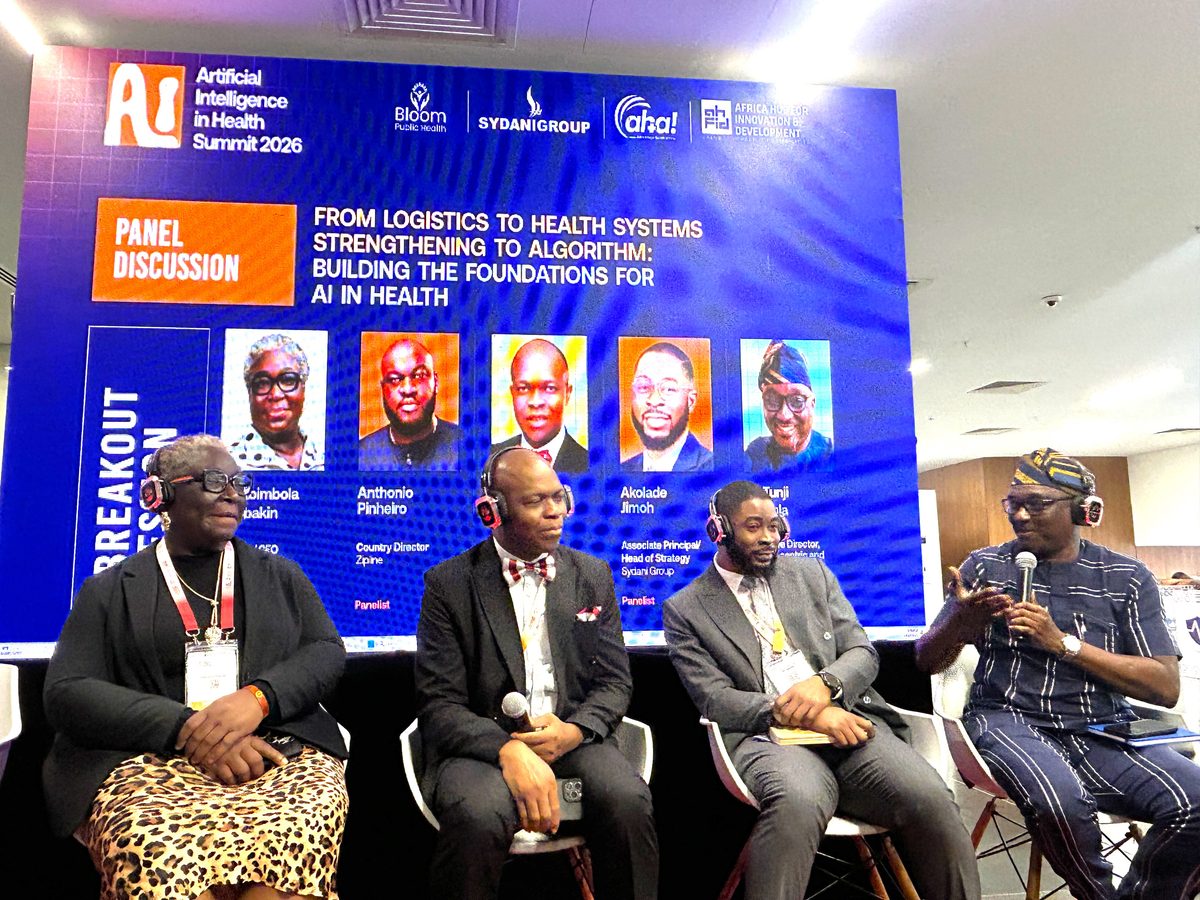
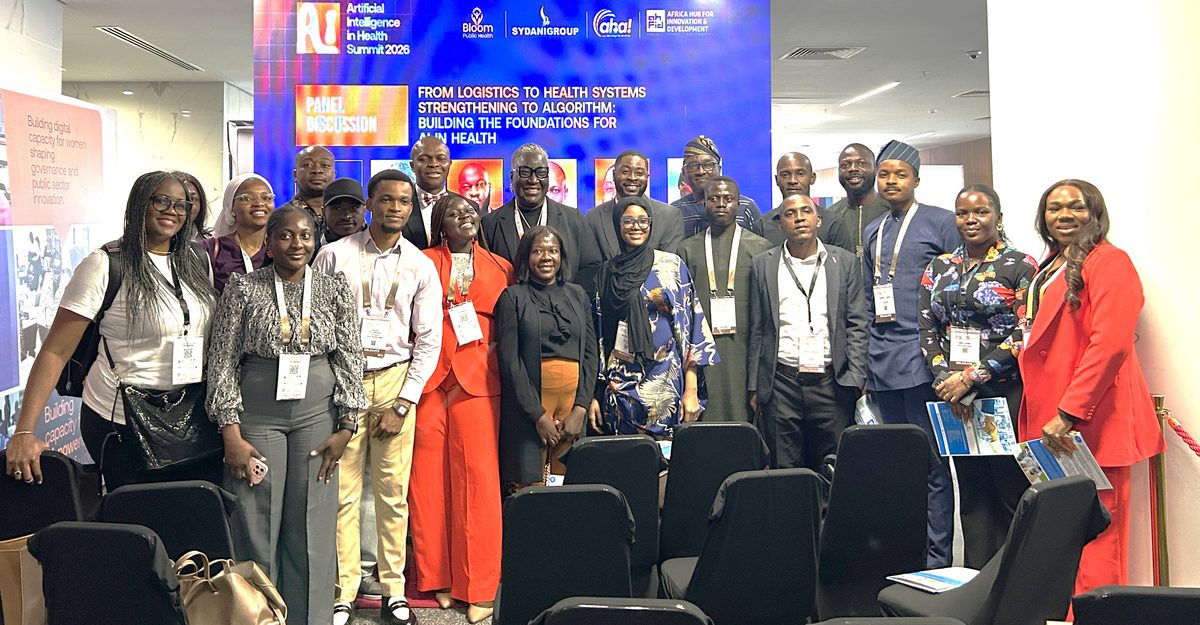
The definitive moment for the Bloom Public Health team occurred during an executive panel session on Day 2, titled From Logistics and Laboratory to Algorithm: Building the Foundations for AI in Health. Taking the stage alongside global tech leaders, Bloom Public Health CEO Professor Chimezie Anyakora delivered a grounded perspective on scaling innovation.
“We are currently implementing the CEPI-funded Lassa Fever Vaccine Coalition Project, a regional health security initiative, alongside partners like Corona Management Systems and Nigeria Health Watch to support the West African Health Organization (WAHO) to accelerate the development a safe Lassa fever vaccine as well as other vaccines, across West Africa, in case of another outbreak. We need to mine data and predict what will happen in case of epidemics for instance. With AI we can do so much more,” he said.
The panel drove home three key takeaways for the continent. First, AI cannot fix wrong diagnoses; we must modernize laboratories to get accurate medical data first. Second, supply chains must be smart and responsive so that algorithmic predictions actually result in medicine reaching patients. Finally, technology must fit the practical everyday realities of African health clinics, not the other way around.
Bloom Public Health’s Regional Communication Manager, Nneka Acholonu Egbuna, reflected on the summit: “Building AI enabled apps need to be localized to succeed. If they are designed in the city and deployed in local communities, they will very likely fail. AI will succeed in communities if built with them and within the communities, not FOR them.”
By standing at the forefront of this summit, Bloom Public Health continues to solidify its role as the bridge between traditional public health infrastructure and tomorrow’s digital innovations. As Nigeria drives its Digital Health Strategy forward, building resilient data pipelines will remain the key to saving lives.